
At Arthur Murray Dance Studios in San Antonio, we believe that everyone can learn to dance with confidence and grace. In today's blog article, we’re gliding into the sophisticated and smooth world of the Foxtrot. A true classic of the ballroom, the Foxtrot’s timeless charm has made it a favorite for generations of dancers. Whether you're preparing for a wedding, a gala, or just want to feel more comfortable on the dance floor, the Foxtrot is a perfect place to start.
Spotlight on Styles: A Deep Dive Into the Foxtrot
Spotlight on Styles: A Deep Dive Into the Foxtrot
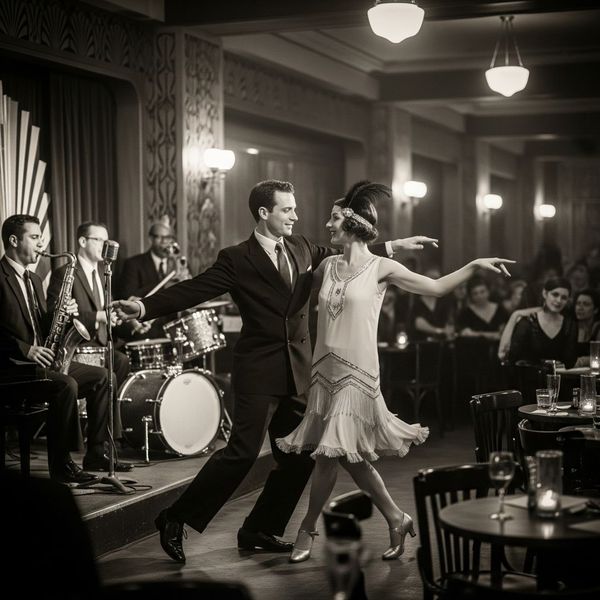
The Elegant History of a Classic
The Foxtrot emerged in the 1910s, named after vaudeville actor Harry Fox. Originally, it was a much faster, more energetic dance with trotting steps, which inspired its name. As the decades went on, the dance evolved, slowing down and incorporating the long, flowing movements we know today. Its popularity exploded in the 1920s, becoming a symbol of the Jazz Age, and it has remained a staple in social and competitive dancing ever since. The Foxtrot's enduring appeal lies in its ability to adapt while maintaining its core elegance.
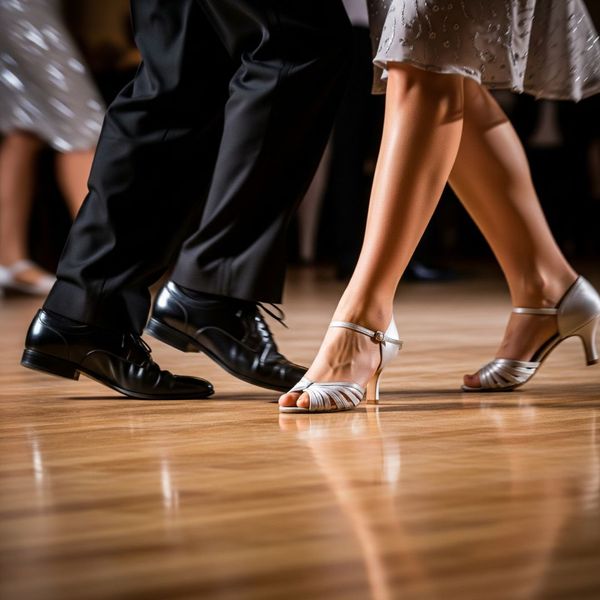
The Gentle Rhythm of the Dance
What makes the Foxtrot so graceful is its unique rhythm. It uses a combination of slow and quick steps, typically counted as "Slow, Slow, Quick, Quick." This rhythmic structure gives the dance its signature smooth, continuous flow across the dance floor. The "slows" are held for two beats of music, while the "quicks" are one beat each. This simple yet effective pattern allows dancers to cover significant ground with long, luxurious strides, creating a feeling of effortless motion.
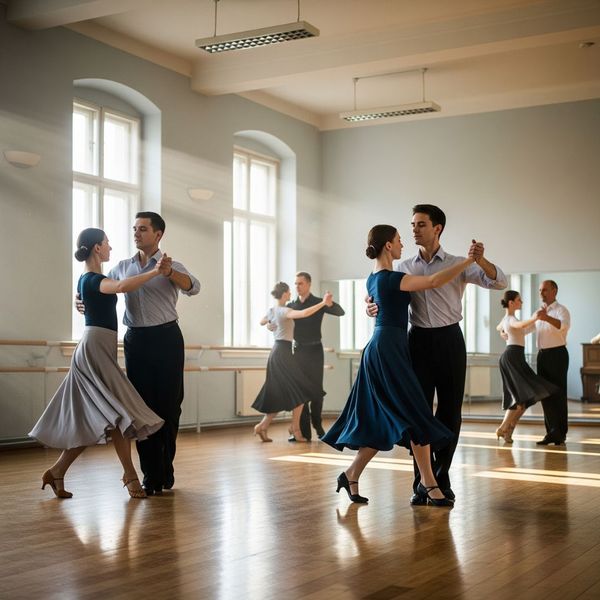
Mastering the Basic Steps
For beginners, the Foxtrot is an excellent foundation. The fundamental steps are the "Basic Forward" and "Basic Backward" movements. The leader starts with a forward "Slow, Slow" and then a "Quick, Quick" turn, while the follower mirrors this with backward steps. As you become more comfortable, you can add turns, promenades, and other variations. The key is to maintain a light, upright frame and focus on your connection with your partner, allowing the dance to feel like a seamless conversation.
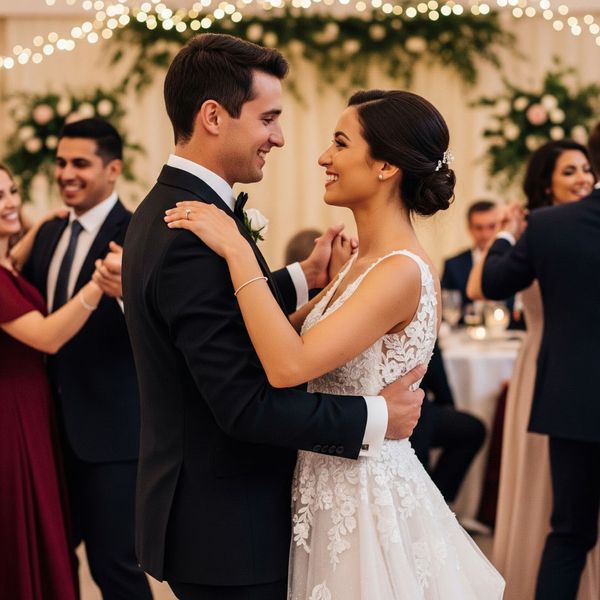
Why You Should Learn the Foxtrot
The Foxtrot isn’t just a dance; it's a social skill. It's the perfect dance for formal events, from black-tie affairs to wedding receptions, because its smooth movements work well on crowded dance floors. Learning the Foxtrot at Arthur Murray will not only teach you the steps but also help you develop posture, balance, and partnership skills that are valuable in all areas of life. It’s a rewarding dance that will make you feel confident and poised at any social gathering.
Ready to glide across the dance floor with elegance? Contact us at Arthur Murray Dance Studios in San Antonio to schedule your first introductory dance lesson. Our expert instructors will guide you through every step, helping you master the Foxtrot and discover the joy of dancing. Call us or visit our studio today to begin your journey.